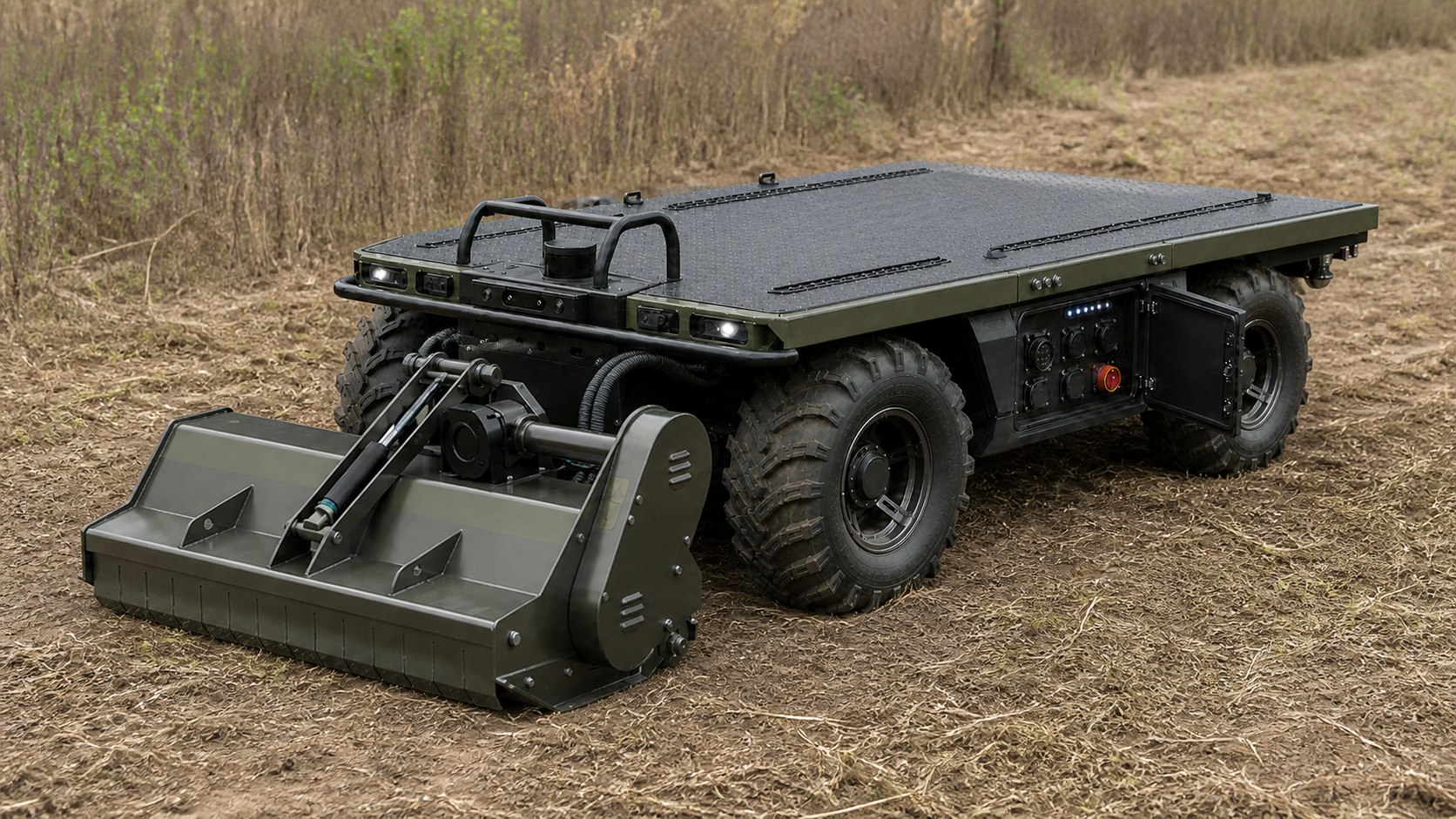
 Generated scenario
PLATFORM B / 01
Four-wheel Work Platform B
A modular mobile base for transport, implement mounting, towing, field power and light-duty work, with navigation, obstacle avoidance and task execution.
View platform capability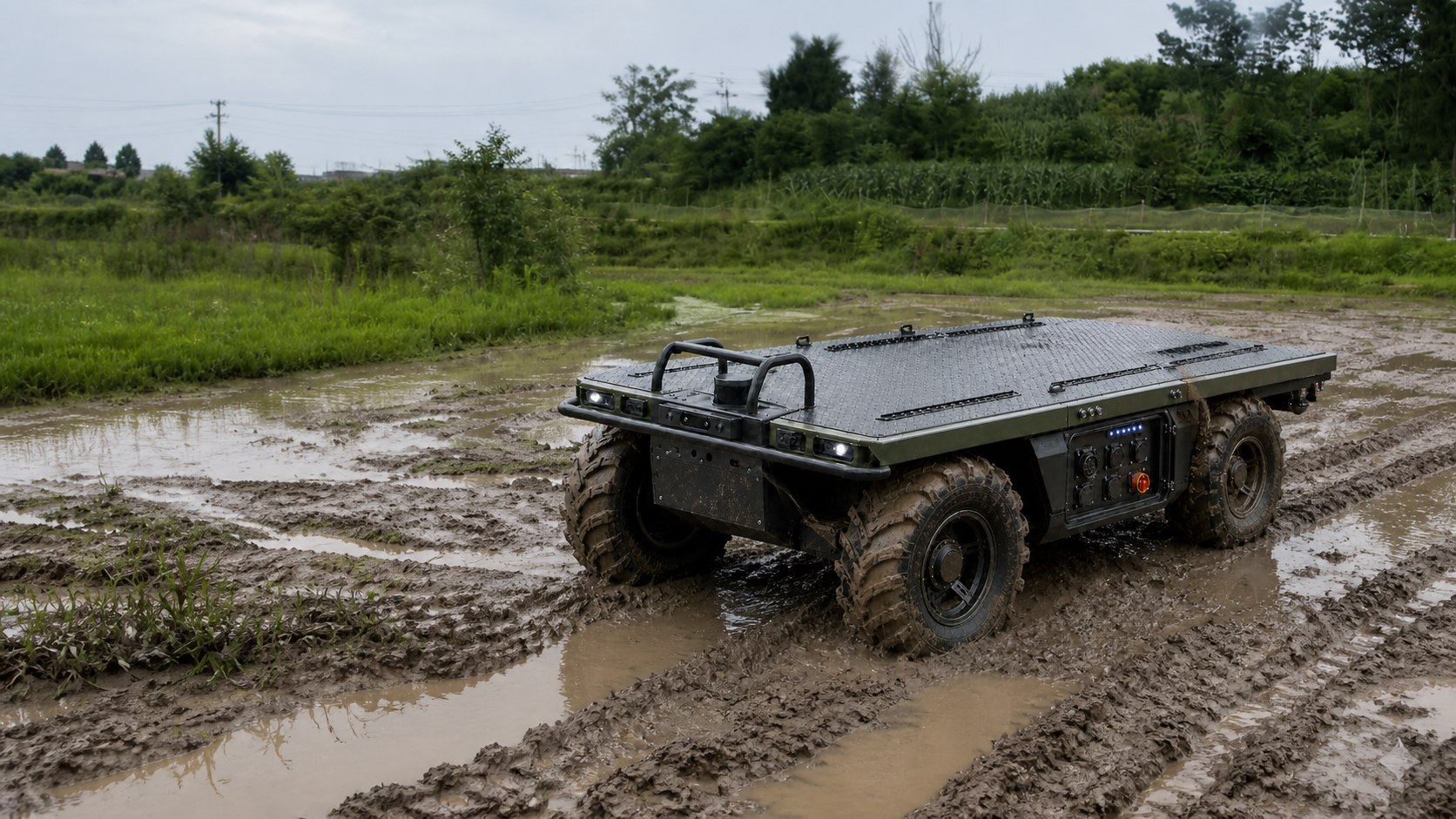
Tiantu Agricultural Equipment
Built from real field validation to deliver operable unmanned farming systems.
Generated scenario derived from existing product and field references
Start with real work
Tiantu connects product platforms, autonomy retrofit and data services into one loop spanning the vehicle, implement, task, remote support and delivery evidence.
Product matrix
Platform definition starts with the operating scene. The four-wheel base prioritizes modularity; the tracked platform prioritizes demanding terrain and retrofit delivery.
Generated scenarioA modular mobile base for transport, implement mounting, towing, field power and light-duty work, with navigation, obstacle avoidance and task execution.
View platform capability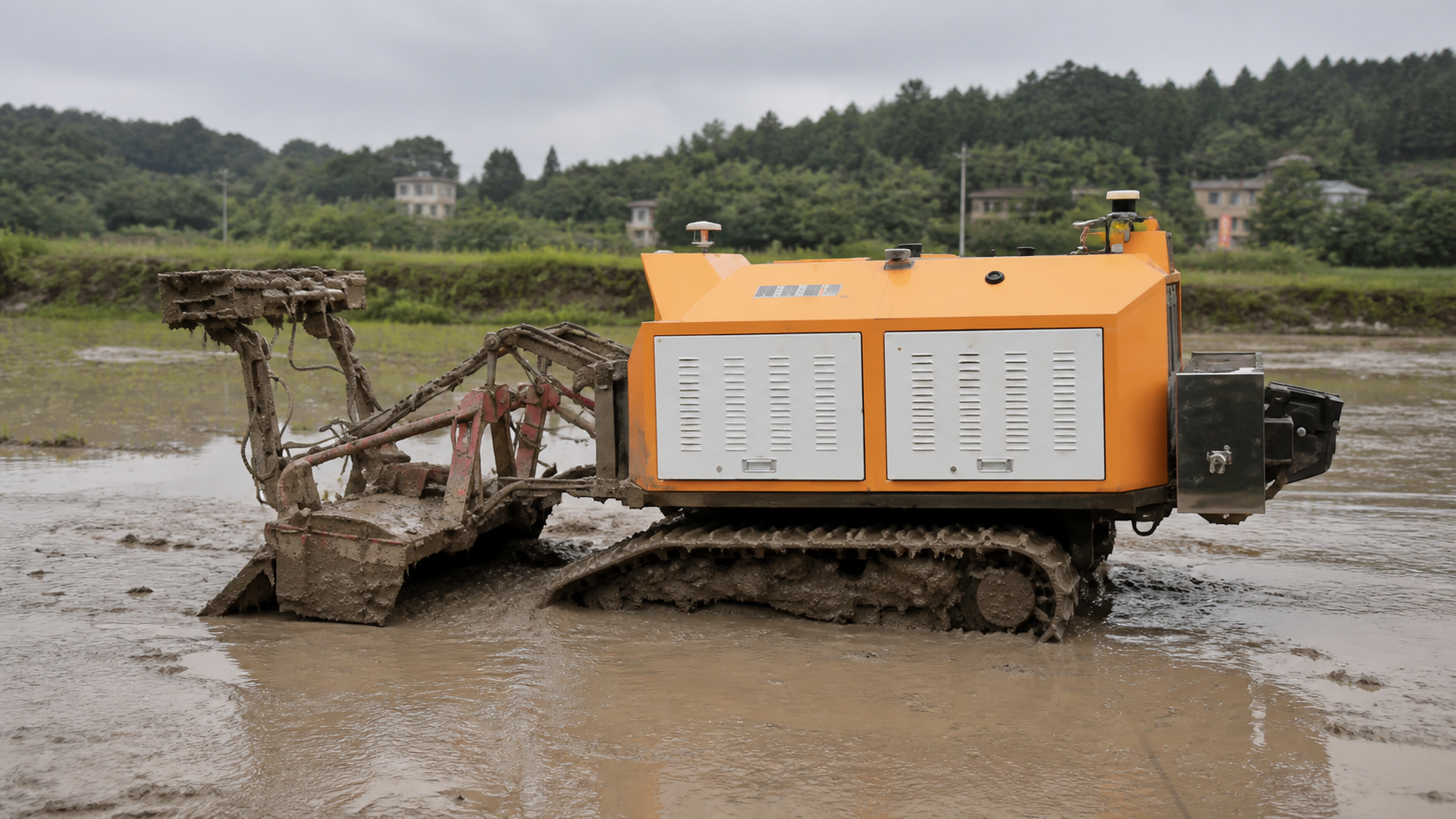 Generated scenario
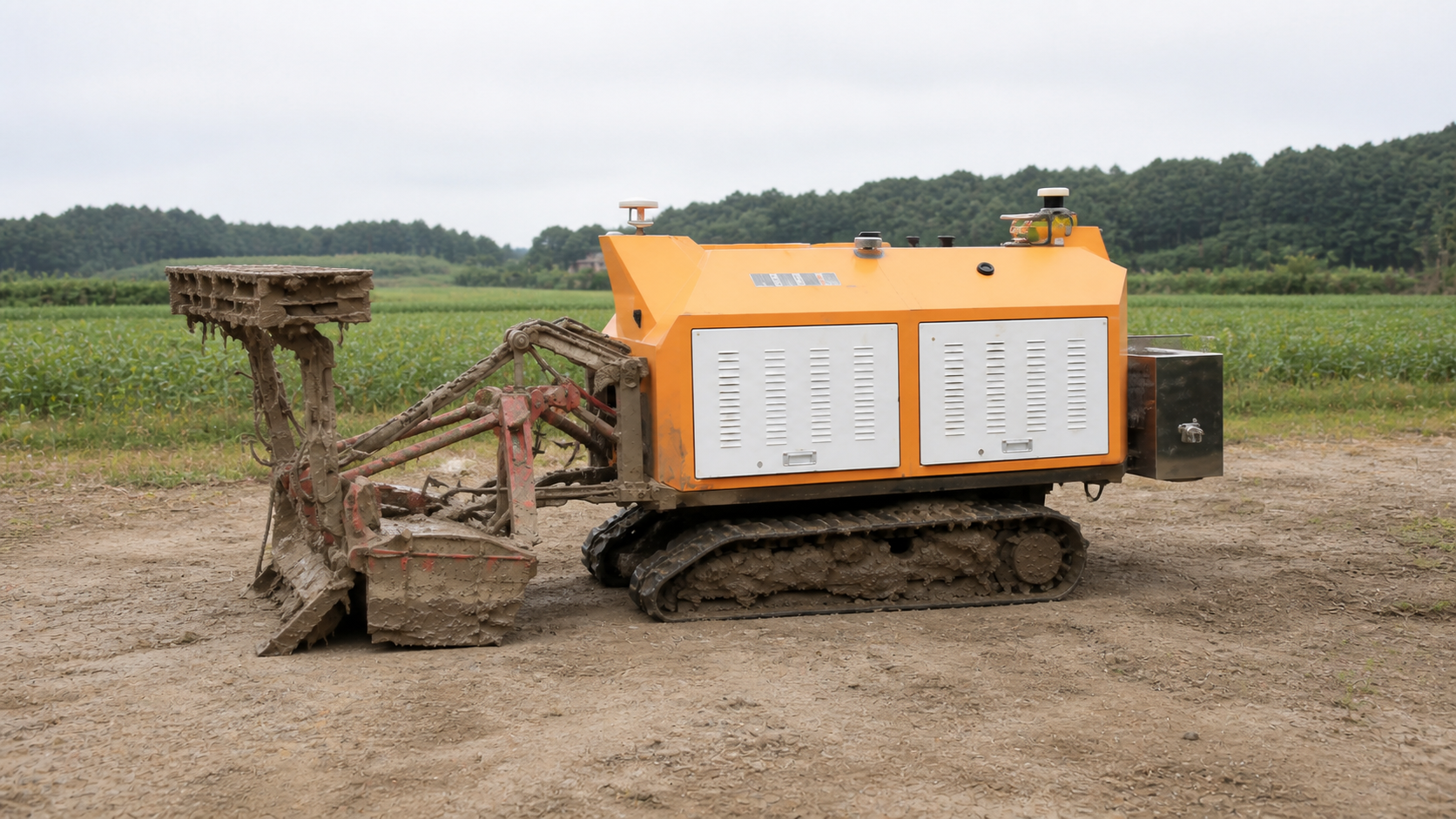
The current yellow tracked iteration targets demanding fields and intelligent retrofit of existing fuel-powered machinery, from vehicle assessment and implement coordination to testing and acceptance.
View platform capabilityOne platform · six packages
The four-wheel platform combines a front electric implement interface, modular payload deck, rear towing interface and AC/DC mobile power on one chassis.
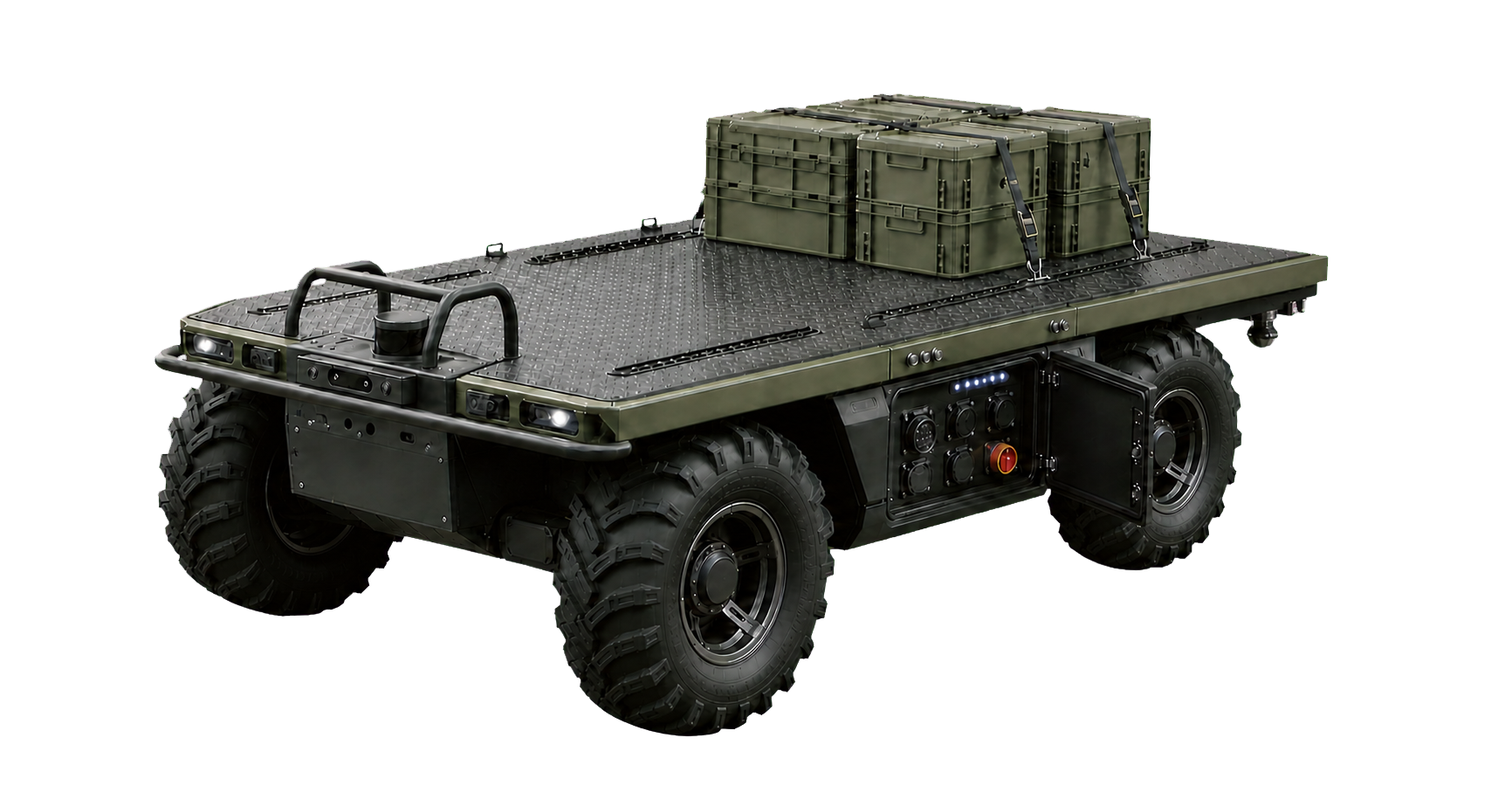
Configurations and specifications are indicative. Final values are governed by the released product configuration and project acceptance documents.
 Generated scenario
Current yellow tracked iteration
The current visual and project reference is the yellow/orange tracked iteration. It defines chassis condition, power and implement interfaces, autonomy integration, human takeover and test records. Red machines are first-generation validation records rather than the current product state.
Review chassis, power, hydraulic, electrical and implement condition.
Freeze control, power, communication, implement and safety boundaries.
Integrate perception, navigation, actuation and human takeover.
Close the loop with task records, issue closure and acceptance evidence.
Work capability
Mulching, mowing and tilling have existing configuration visuals. Spraying, ball collection and towing are expansion concepts shown in generated scenarios; specifications remain project-dependent.
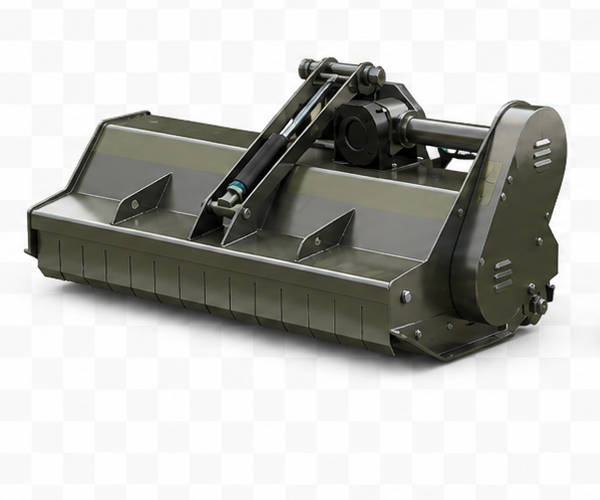
Front electric package for crop residue and vegetation management.
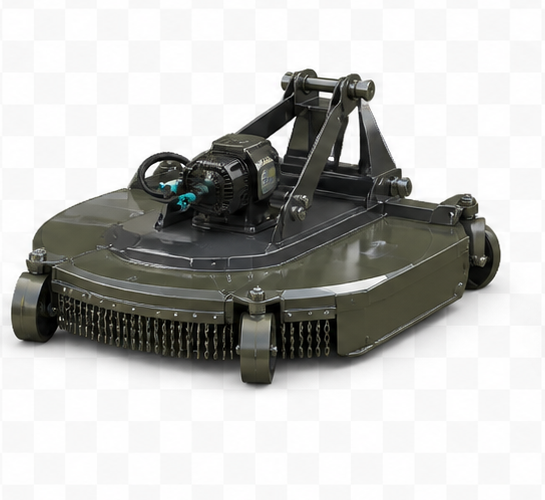
For grass maintenance and repeatable route-based operations.
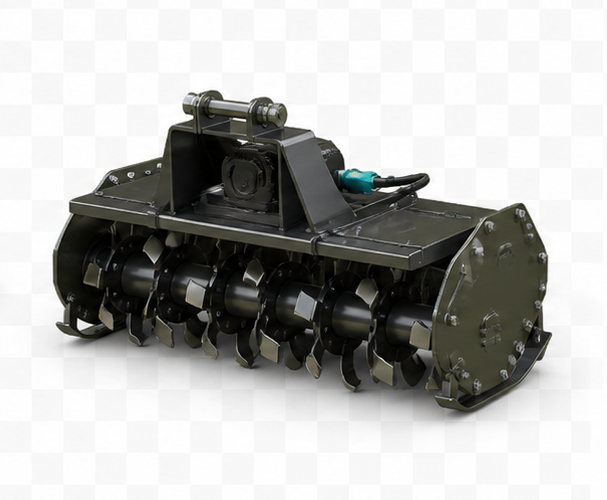
For light rotary tillage and surface preparation tasks.
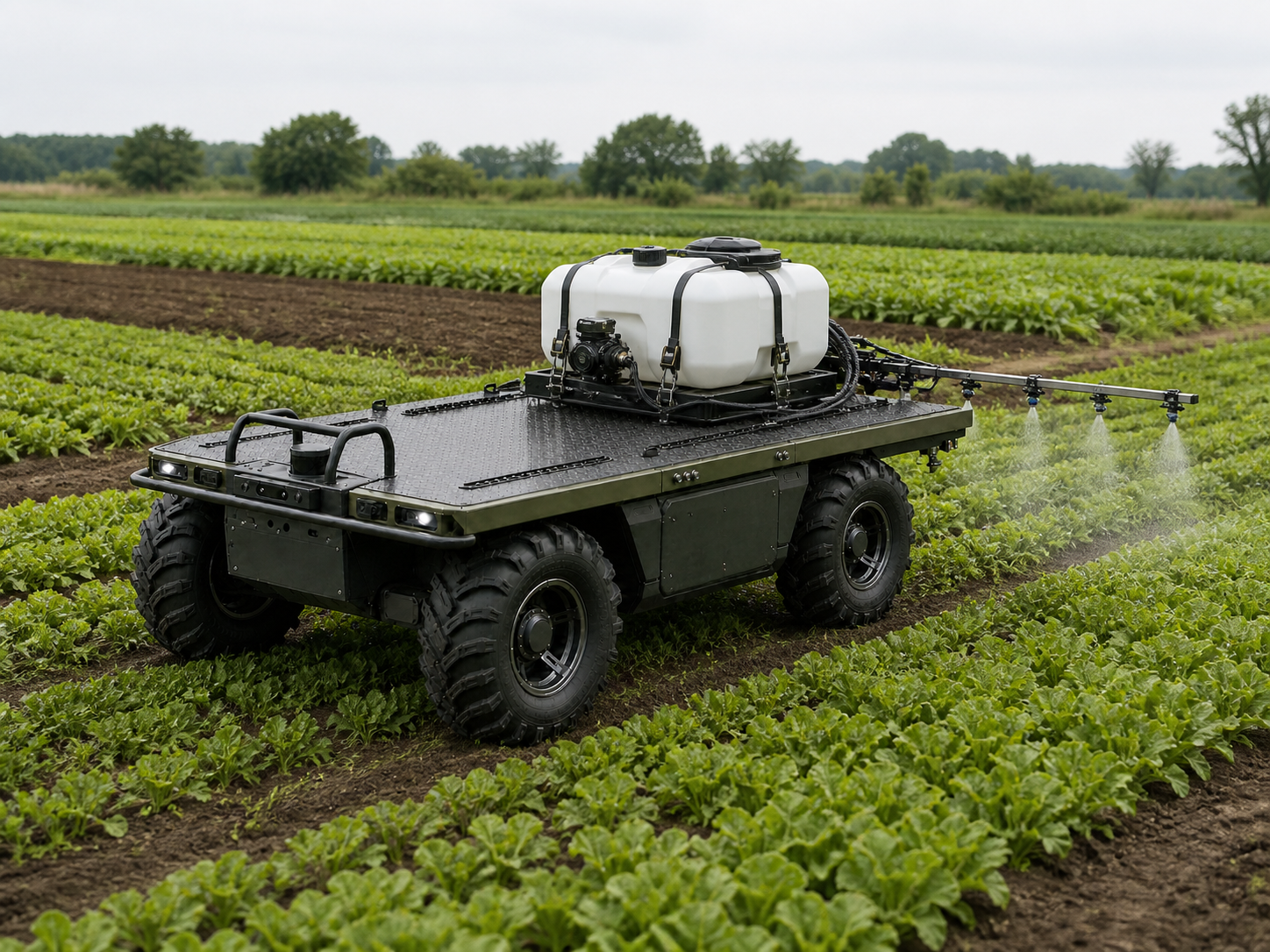 Generated scenario
A future crop-care package whose tank and interface are defined per project.
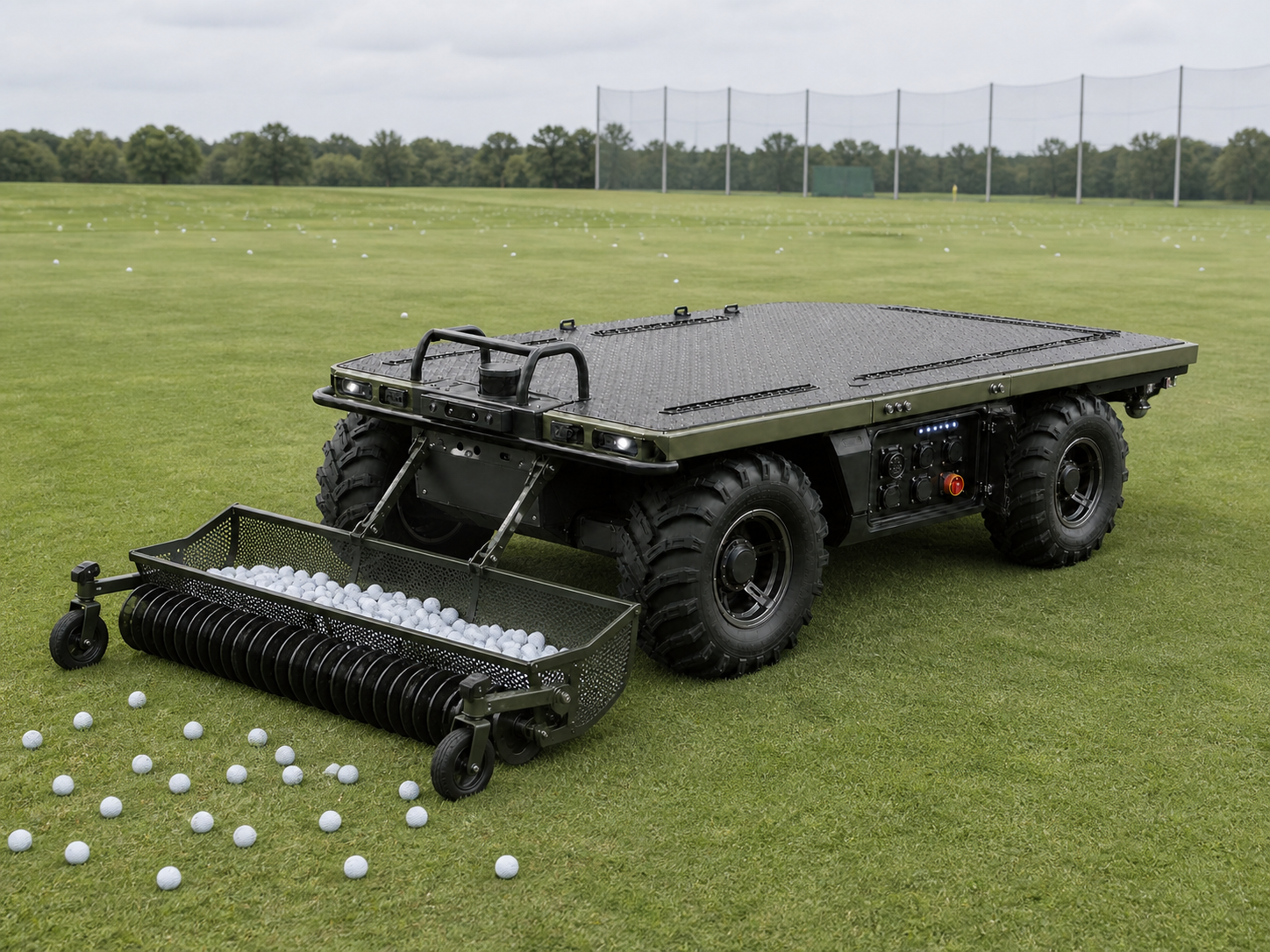 Generated scenario
A route-based collection scenario, not a released configuration.
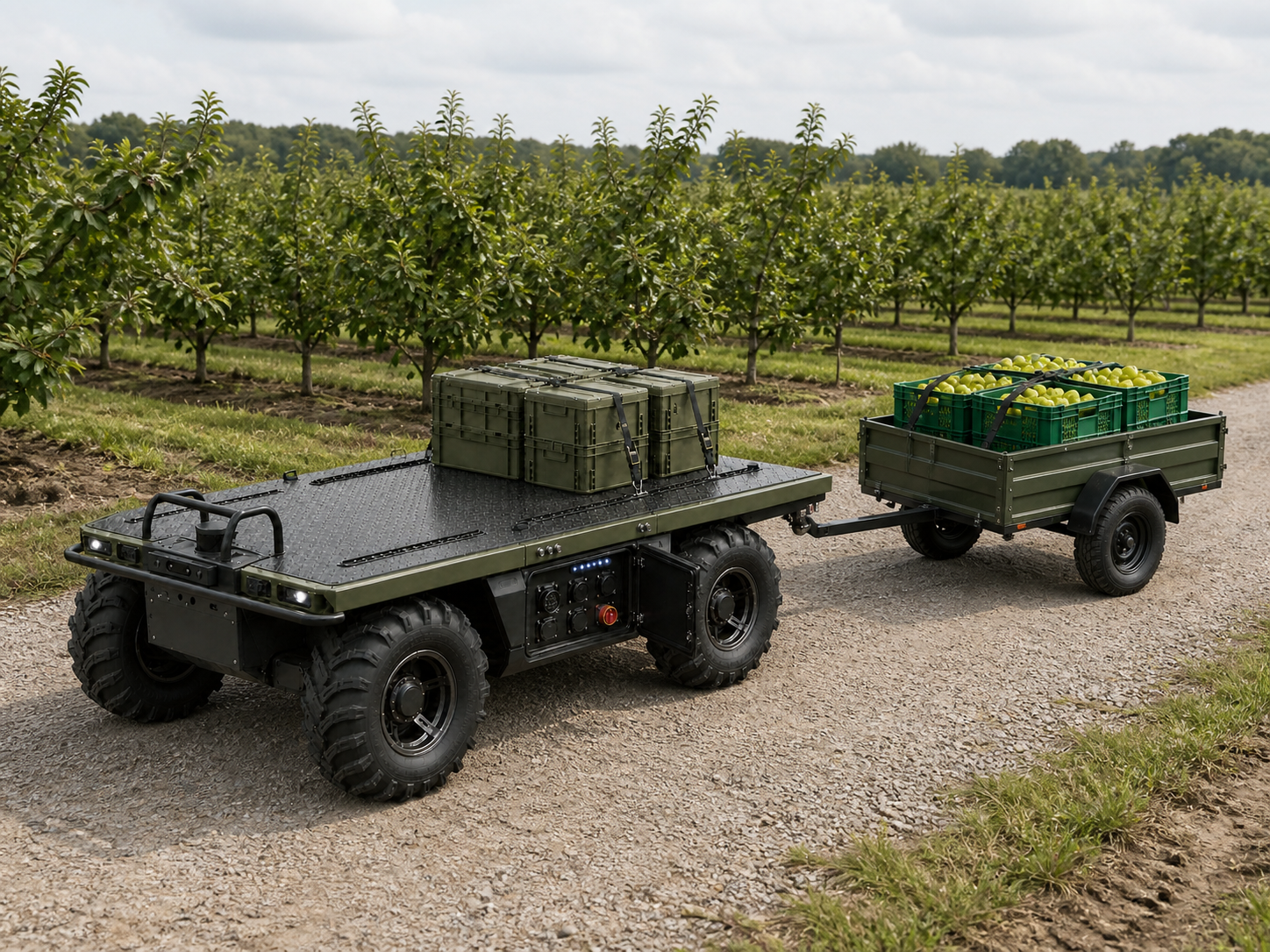 Generated scenario
Material transport through the rear interface, with limits frozen per project.
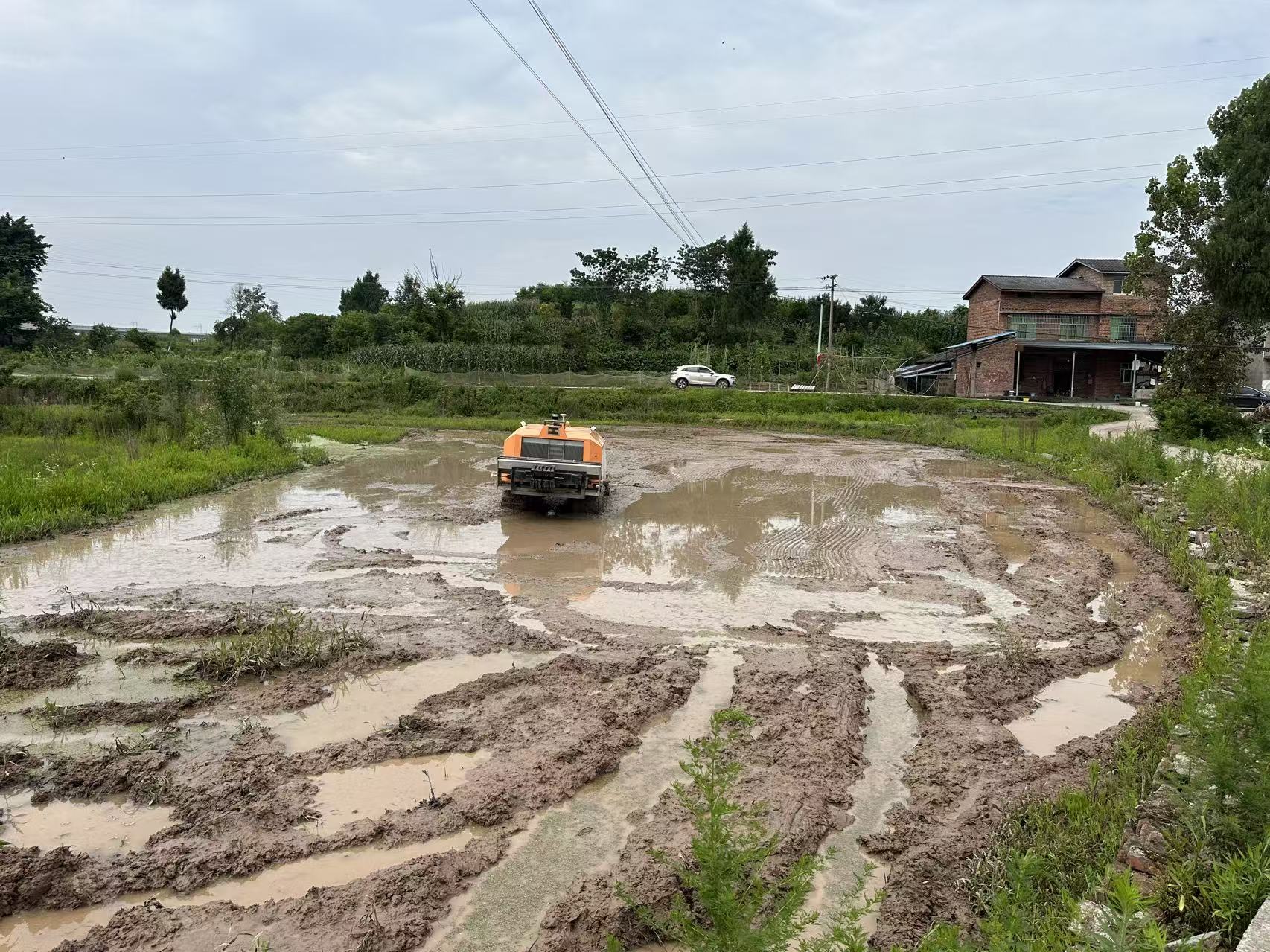
Real field validation
Mud, route limits, obstacles and human takeover are validated before delivery, instead of being defined only as vehicle features.
Validation dimensions
Validation archive
Data and remote service loop
The first release explains the service method without exposing customer data or internal systems. Fields, permissions, retention and deliverables are frozen during technical definition.
Capture necessary operating and anomaly status without replacing field safety checks.
Retain necessary task, route, implement and human-takeover evidence.
Coordinate diagnosis, version checks and issue handling with approved information.
Package tests, issue closure, delivery confirmation and operational review.
Acceptance-led delivery
A technical requirement, interface list, test records, issue closure log and acceptance sheet should form the evidence chain. Unfrozen configurations carry no fixed price, lead-time or volume promise.
Project partnership
Submit the field, task, implement, project stage and acceptance target. The branded mailbox is active; until automated form delivery is configured, the site will open an email draft for sending.
Review delivery path